Free tool · no sign-up
Weeks pregnant calculator
How many weeks pregnant am I?
Count back from your due date. A pregnancy is dated as 40 weeks, so subtract the days still to go from 280 and divide by seven: 88 days left puts you 27 weeks and 3 days along. Weeks are counted from the first day of your last period rather than from conception, which is why you are two weeks pregnant before conception happens.
How far along am I?
Do not know your due date yet? The due date calculator estimates one from your last period. A dating ultrasound is more accurate than any calendar method — if your pregnancy care team has given you a date, use theirs.
Week by week, from 4 to 40
Every length below is the figure the NHS publishes for that week. Up to week 19 a baby is measured from head to bottom, because the legs are curled up and cannot be seen; from week 20 the measurement is head to heel. That change of ruler is why the published length jumps from 15.3 cm to 25.6 cm between weeks 19 and 20 — the baby did nothing unusual that week. Open any week for what is developing then, the same week in months, and all eight rulers side by side. Every other pregnancy tool measures a baby in fruit; here is why we do not.
Sizes shown in Sweet treats. Change it in the calculator above and every week below changes with it.
 Week 4
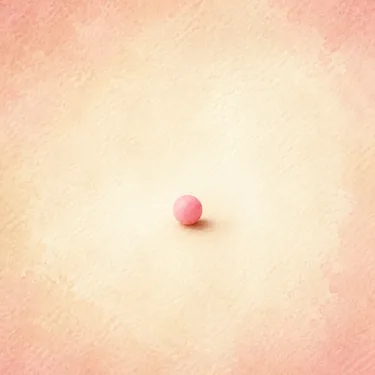
Around 0.2 cm long — about the size of a hundred-and-thousand
First trimester · a hundred-and-thousand measures 0.2 cm across
What is developing at 4 weeks → Week 5
Around 0.2 cm long — about the size of a grain of raw sugar
First trimester · a grain of raw sugar measures 0.2 cm across
What is developing at 5 weeks →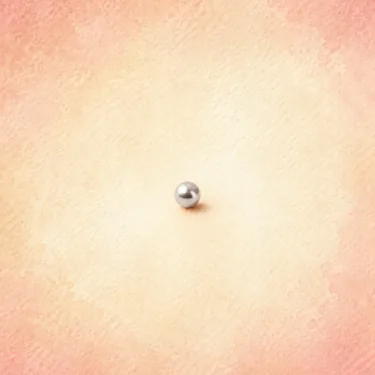 Week 6
Around 0.6 cm long — about the size of a silver cachous ball
First trimester · a silver cachous ball measures 0.6 cm across
What is developing at 6 weeks →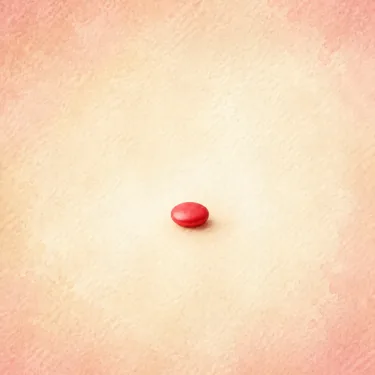 Week 7
Around 1 cm long, from head to bottom — about the size of an M&M
First trimester · an M&M measures 1.05 cm across
What is developing at 7 weeks →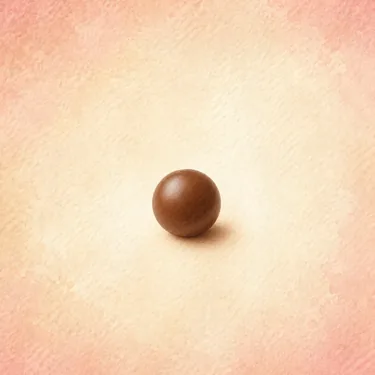 Week 8
Around 1.6 cm long, from head to bottom — about the size of a Malteser
First trimester · a Malteser measures 1.8 cm across
What is developing at 8 weeks → Week 9
Around 2.2 cm long, from head to bottom — about the size of a Ferrero Rocher
First trimester · a Ferrero Rocher measures 2.5 cm across
What is developing at 9 weeks → Week 10
Around 3 cm long, from head to bottom — about the size of a jelly baby
First trimester · a jelly baby measures 3 cm head to toe
What is developing at 10 weeks →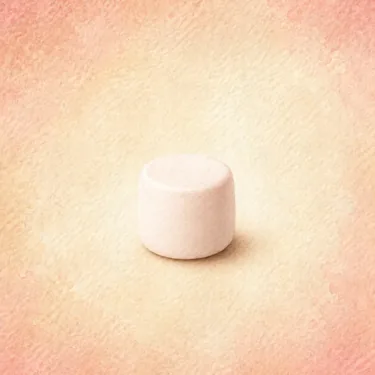 Week 11
Around 4.1 cm long, from head to bottom — about the size of a marshmallow
First trimester · a marshmallow measures 4 cm across
What is developing at 11 weeks →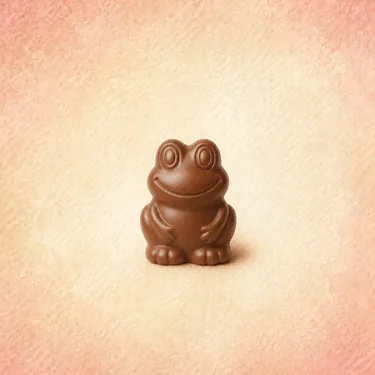 Week 12
Around 5.4 cm long, from head to bottom — about the size of a Freddo Frog
First trimester · a Freddo Frog measures 5.5 cm nose to feet
What is developing at 12 weeks → Week 13
Around 7.4 cm long, from head to bottom — about the size of a cupcake
Second trimester · a cupcake measures 7.5 cm across the case
What is developing at 13 weeks →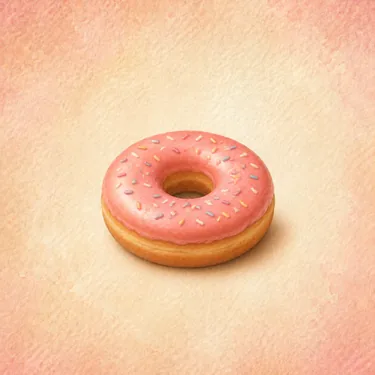 Week 14
Around 8.5 cm long, from head to bottom — about the size of a ring doughnut
Second trimester · a ring doughnut measures 8.8 cm across
What is developing at 14 weeks →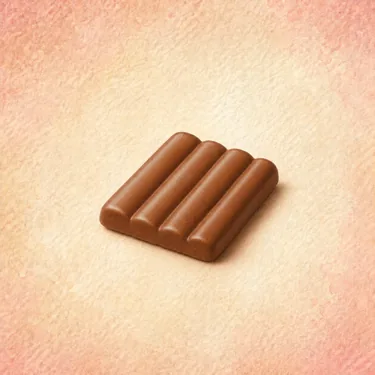 Week 15
Around 10.1 cm long, from head to bottom — about the size of a four-finger Kit Kat
Second trimester · a four-finger Kit Kat measures 10.5 cm end to end
What is developing at 15 weeks →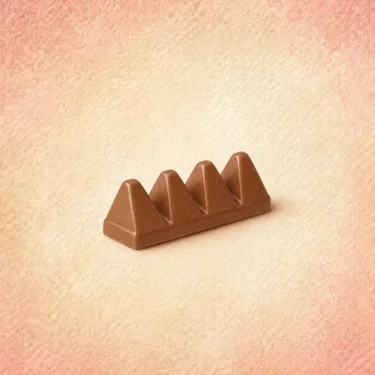 Week 16
Around 11.6 cm long, from head to bottom — about the size of a small Toblerone
Second trimester · a small Toblerone measures 11.5 cm end to end
What is developing at 16 weeks → Week 17
Around 12 cm long, from head to bottom — about the size of a candy cane
Second trimester · a candy cane measures 12.5 cm hook to tip
What is developing at 17 weeks →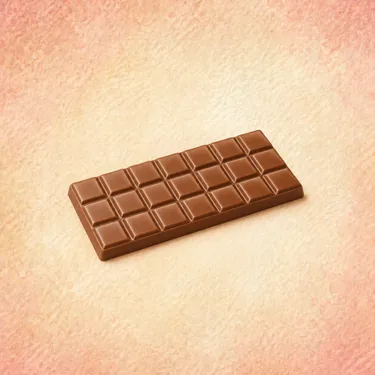 Week 18
Around 14.2 cm long, from head to bottom — about the size of a chocolate bar, the sharing-size lie
Second trimester · a chocolate bar, the sharing-size lie measures 14 cm end to end
What is developing at 18 weeks → Week 19
Around 15.3 cm long, from head to bottom — about the size of an ice cream cone
Second trimester · an ice cream cone measures 15 cm rim to point
What is developing at 19 weeks →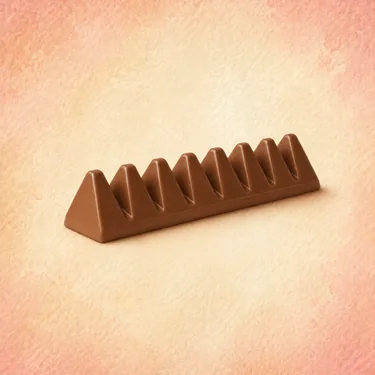 Week 20
Around 25.6 cm long, from head to heel — about the size of the giant Toblerone from duty-free
Second trimester · the giant Toblerone from duty-free measures 26 cm end to end
What is developing at 20 weeks → Week 21
Around 26.7 cm long, from head to heel — about the size of a swiss roll
Second trimester · a swiss roll measures 27 cm end to end
What is developing at 21 weeks → Week 22
Around 27.8 cm long, from head to heel — about the size of a birthday cake, eleven inches
Second trimester · a birthday cake, eleven inches measures 28 cm across
What is developing at 22 weeks → Week 23
Around 28.9 cm long, from head to heel — about the size of a gingerbread man, the big kind
Second trimester · a gingerbread man, the big kind measures 29 cm head to feet
What is developing at 23 weeks →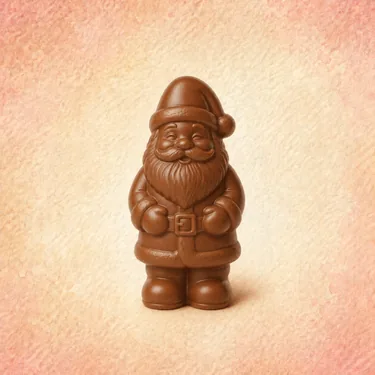 Week 24
Around 30 cm long, from head to heel — about the size of a hollow chocolate Santa
Second trimester · a hollow chocolate Santa measures 30 cm hat to boots
What is developing at 24 weeks → Week 25
Around 34.6 cm long, from head to heel — about the size of a giant Easter egg
Second trimester · a giant Easter egg measures 35 cm top to bottom
What is developing at 25 weeks →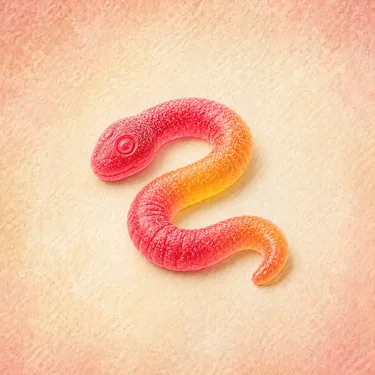 Week 26
Around 35.6 cm long, from head to heel — about the size of a lolly snake, the party-bag monster
Second trimester · a lolly snake, the party-bag monster measures 36 cm end to end
What is developing at 26 weeks →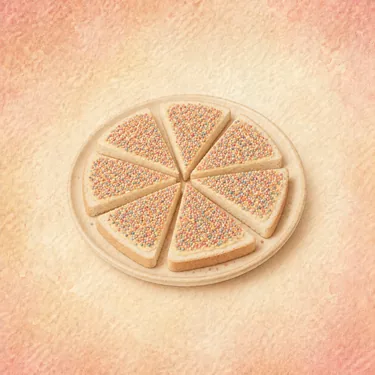 Week 27
Around 36.6 cm long, from head to heel — about the size of a platter of fairy bread
Third trimester · a platter of fairy bread measures 36 cm across
What is developing at 27 weeks → Week 28
Around 37.6 cm long, from head to heel — about the size of a tiered cupcake stand
Third trimester · a tiered cupcake stand measures 38 cm base to top
What is developing at 28 weeks → Week 29
Around 38.6 cm long, from head to heel — about the size of a stick of fairy floss
Third trimester · a stick of fairy floss measures 39 cm stick to cloud
What is developing at 29 weeks → Week 30
Around 39.9 cm long, from head to heel — about the size of a hollow chocolate bunny
Third trimester · a hollow chocolate bunny measures 40 cm ears to feet
What is developing at 30 weeks →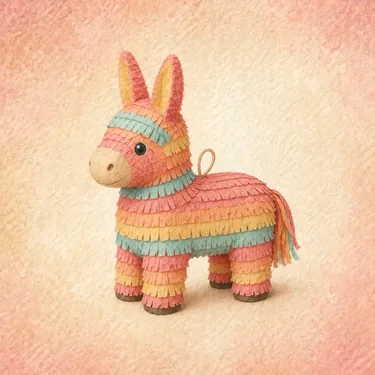 Week 31
Around 41.1 cm long, from head to heel — about the size of a pinata, pre-whack
Third trimester · a pinata, pre-whack measures 41 cm top to bottom
What is developing at 31 weeks → Week 32
Around 42.4 cm long, from head to heel — about the size of a wedding cake tier
Third trimester · a wedding cake tier measures 42 cm across
What is developing at 32 weeks →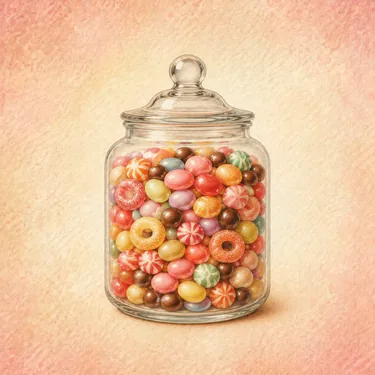 Week 33
Around 43.7 cm long, from head to heel — about the size of a five-litre lolly jar
Third trimester · a five-litre lolly jar measures 44 cm base to lid
What is developing at 33 weeks →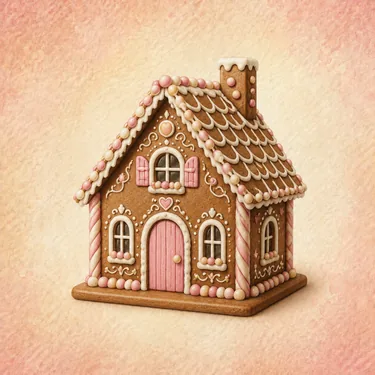 Week 34
Around 45 cm long, from head to heel — about the size of a gingerbread house
Third trimester · a gingerbread house measures 45 cm base to chimney
What is developing at 34 weeks →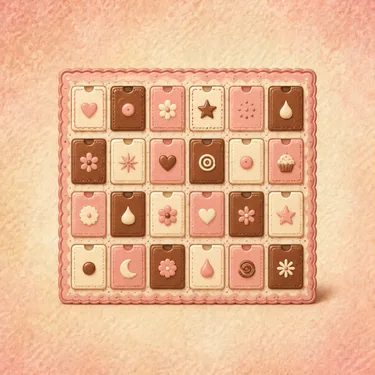 Week 35
Around 46.2 cm long, from head to heel — about the size of a giant advent calendar
Third trimester · a giant advent calendar measures 46 cm top to bottom
What is developing at 35 weeks →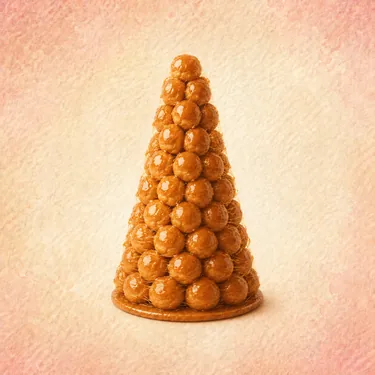 Week 36
Around 47.4 cm long, from head to heel — about the size of a croquembouche
Third trimester · a croquembouche measures 48 cm base to peak
What is developing at 36 weeks →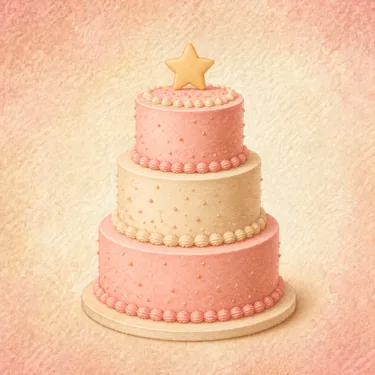 Week 37
Around 48.6 cm long, from head to heel — about the size of a three-tier birthday cake
Third trimester · a three-tier birthday cake measures 49 cm board to topper
What is developing at 37 weeks → Week 38
Around 49.8 cm long, from head to heel — about the size of the centrepiece of a lolly buffet
Third trimester · the centrepiece of a lolly buffet measures 50 cm base to top
What is developing at 38 weeks →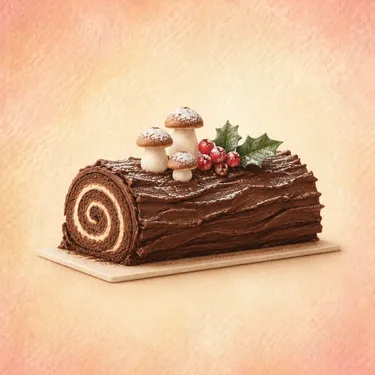 Week 39
Around 50.7 cm long, from head to heel — about the size of a chocolate yule log, the show-off one
Third trimester · a chocolate yule log, the show-off one measures 50 cm end to end
What is developing at 39 weeks → Week 40
Around 51.2 cm long, from head to heel — about the size of the sweetest thing you will ever make
Third trimester · the sweetest thing you will ever make measures 51.2 cm head to heel
What is developing at 40 weeks →
Where each theme's measurements come from
- Sweet treats
- Typical retail sizes for confectionery and baking: a four-finger Kit Kat is 10.5 cm end to end, a Freddo 5.5 cm, and the Toblerone they sell at duty-free a genuine 26 cm.
- Australian animals
- Head-and-body or beak-to-tail lengths as field guides publish them. Where a species spans a range, the figure is a typical adult rather than the largest one anybody has measured.
- The 90s
- Retail dimensions of the actual products: a Game Boy is 148 mm tall, a Tamagotchi 55 mm, a cassette 102 mm, a Nokia 3310 113 mm.
- Sport
- Match-regulation equipment sizes: a golf ball is 42.67 mm across at the legal minimum, a shuttlecock 85 mm end to end, a basketball hoop 45.7 cm, an Olympic weight plate 45 cm.
- Things you already own
- Everyday objects at their standard or typical size: a credit card is 85.6 mm under the ISO/IEC 7810 ID-1 standard, an Australian 50-cent coin 31.6 mm across the flats, a school ruler exactly what it says on it.
- Gaming
- Manufacturer dimensions: a Nintendo Switch is 242 mm wide with the Joy-Cons on, a PlayStation 5 390 mm standing up, an Xbox Series X 301 mm.
- Fast food
- Menu-standard sizes, which are mostly just inches wearing a hat: a twelve-inch pizza is 30.5 cm across because twelve inches is 30.5 cm.
- Toys
- Boxed retail sizes: a Lego minifigure is 4 cm head to feet, a Barbie 29.2 cm, a Buzz Lightyear 30.5 cm.
Why pregnancy is counted in weeks and days
A pregnancy is dated from the first day of the last menstrual period and runs for 40 weeks, written as completed weeks plus days: 24+3 means twenty-four full weeks finished and three days into the twenty-fifth. It is counted from the period rather than from conception for a practical reason — that is the date almost everyone can name, while the day of ovulation usually is not known. The side effect is the one that confuses everybody: on the standard convention you are counted as two weeks pregnant at the moment of conception, so a "40-week" pregnancy contains about 38 weeks of baby.
Weeks stay the unit all the way through because the whole of pregnancy care is scheduled against them. The dating scan sits around 12 weeks, the anomaly scan between 18 and 21, and the checks that matter later are named for weeks too. Months vary in length and nobody agrees whether a pregnancy is nine of them or ten; weeks do not have that problem.
What this calculator will not tell you
It reports what published guidance says about a week of pregnancy, and it does that the same way for everybody. It does not assess your pregnancy, and nothing on the page appears, changes or escalates because of the date you entered. If a scan has measured your baby and the number differs from the population figure in the table above, that is a conversation for your midwife or doctor — a published median is what a guide can print about babies in general, not a measurement of yours.
Two related questions get asked in the same breath. If you do not have a due date yet, the due date calculator works it out from your last period or a conception date. Once the baby arrives the counting continues in different units, which is what the baby age calculator is for, and the hospital bag checklist is the thing most people want at around 36 weeks.
Questions parents ask about counting the weeks
- Why am I two weeks pregnant before I conceived?
- Because pregnancy is counted from the first day of your last menstrual period, not from conception. That is the one date almost everyone can pin down, whereas the day of ovulation usually is not known. On the standard 28-day cycle, conception happens around day 14 — so by the time it occurs you are already counted as two weeks pregnant, and a 40-week pregnancy contains about 38 weeks of actual baby.
- What does "24 weeks and 3 days" mean, and why not just months?
- Pregnancy is counted in completed weeks plus days, written as 24+3. It means you have finished 24 weeks and are three days into your 25th. Weeks are used rather than months because every scan, screening test and appointment is scheduled against a week number — the 12-week dating scan, the 18-to-21-week anomaly scan, the 28-week checks — and because months vary in length while weeks do not.
- How big is my baby right now?
- The NHS publishes a length for every week of pregnancy: around 5.4 cm at 12 weeks, 25.6 cm at 20 weeks, 37.6 cm at 28 weeks and 51.2 cm at 40 weeks. Two things about those figures matter. The measurement changes at week 20 — before that a baby is measured head to bottom because the legs are curled up out of sight, and from week 20 head to heel, which is why the published length jumps between week 19 and week 20 without the baby doing anything unusual. And they are population figures rather than a measurement of any individual baby.
- Why does this calculator not compare my baby to a fruit?
- Because nobody knows how big a rutabaga is, and produce lists are copied between pregnancy sites rather than measured. This tool offers eight rulers instead — sweet treats, Australian animals, the 90s, sport, everyday objects, gaming, fast food and toys — and every comparison in every theme is checked against the published length automatically, so the joke never comes at the cost of the number. Every theme is drawn rather than described: all eight have their own illustration for all thirty-seven weeks, so you see the thing rather than an emoji standing in for it.
- Can I change what my baby is compared to?
- Yes. Pick a theme in the calculator and every week changes with it, all the way down the page: at 20 weeks your baby is the duty-free Toblerone, a rainbow lorikeet, a Bop It, a basketball, a dinner plate, a Nintendo Switch, a slice of large pizza or a small teddy bear. Every one of those is illustrated week by week, so changing the theme changes the pictures down the whole page as well as the words. The choice is remembered on your device. The measurement never changes — only the thing it is held up against.
- When do the trimesters start and end?
- The commonly published split is weeks 1 to 12 for the first trimester, 13 to 26 for the second, and 27 until birth for the third. They are conventions for talking about pregnancy rather than biological switches — nothing changes overnight at week 13, and some sources draw the second and third trimester boundary at 28 weeks instead.
- Does the calculator remember my due date?
- Yes. The date is saved in your browser on the device you entered it on, so coming back later shows how far along you are without asking again. It is never sent anywhere, never attached to analytics and never shared. Entering a different date replaces it, clearing your browser storage removes it, and a different device or browser will ask you for the date again.
Where these numbers come from
- NHS — Week-by-week guide to pregnancy — The published length of a baby at each week of pregnancy — measured head to bottom until week 20 and head to heel from week 20 — and what is developing at that stage.
- Pregnancy, Birth and Baby — Pregnancy week by week — The Australian Government health service’s week-by-week account of how a pregnancy is counted and what develops at each stage.
- Pregnancy, Birth and Baby (Australian Government) — How an estimated due date is calculated, and pregnancy week-by-week guidance.
- NHS — Pregnancy — Week-by-week pregnancy guidance, including how pregnancies are dated.
Embed this calculator
Free to embed on parenting websites, blogs and community resources. Pick the theme that suits your page, then paste this snippet where you want the calculator to appear.
<div style="max-width:480px">
  <iframe src="https://bubsync.com/tools/weeks-pregnant/embed/" title="Weeks pregnant calculator by BubSync" width="100%" height="1100" style="border:0;border-radius:16px;overflow:hidden" loading="lazy" referrerpolicy="no-referrer-when-downgrade"></iframe>
  <p style="margin:8px 0 0;font-size:14px;text-align:center"><a href="https://bubsync.com/tools/weeks-pregnant/">Weeks pregnant calculator by BubSync</a></p>
</div>These calculators are general consumer information.
The snippet includes a one-line credit under the calculator, and the widget itself carries a short health notice. Please keep both visible and unaltered — they are the conditions of the free licence to embed, set out in our Terms of Service. Embedding does not imply that BubSync endorses your site, or that your site endorses BubSync.
Free for new users
Stop doing this maths in your head
The counting does not stop when the baby arrives — it just changes units, to feeds, sleeps and nappies. BubSync keeps that record shared across everyone caring for your baby, from day one.
Free on your phone, Android or iPhone. The free month starts inside the app, where the plan you pick shows the price it renews at before you confirm.
Free for a month, then A$9.99 a month or A$79.99 a year in Australia. Cancel any time before it renews and you pay nothing.